











The field of medical technology is rapidly evolving, and one area that is experiencing significant advancements is spinal surgery devices. In South Africa, the spinal surgery devices market is poised for growth. It is driven by technological innovations and the increasing prevalence of degenerative spinal conditions. These advancements are not only improving the lives of surgeons but also enhancing the comfort and recovery of patients. In this blog post, we will explore the recent developments in the spinal surgery devices market and delve into the exciting future of medical technology.
Developing market
As with most technologies, the growth and development thereof is driven by the market. The good news is that the medical tech market is characterised by intense competition, and likely to drive innovation. One of the driving factors behind the market’s growth in South Africa is the rising instances of spinal injuries and the presence of influential organisations such as the South African Spine Society and SASCA.
These organisations play a crucial role in promoting continuing medical education for healthcare professionals and raising awareness about spine-related disorders among the general population. Moreover, significant technological advancements, including spinal route innovation for precise instrumentation placement and decompression procedures, have gained traction in South Africa, further boosting the market for spinal surgery devices. As these technologies continue to evolve, the future of medical technology in spinal surgery looks promising.
Key market trends
Among the various types of spinal surgery devices, spinal fusion is expected to hold the highest market share. These devices offer effective treatment options for patients with lumbar spinal stenosis. They also provide alternative advanced treatments for decompression spine surgery. Market leaders are manufacturing both anterior and posterior dynamic stabilisation devices for the lumbar spine, and ongoing clinical trials are further enhancing treatment options. This trend is set to benefit the market and contribute to its growth.
Competition breeds innovation
The South Africa spinal surgery devices market is characterised by fierce competition among several key players. In addition, the market is witnessing the entry of medium-sized and smaller companies that are introducing new technologies with improved usability. With increasing technological advancements and product innovations, these companies are expanding their market presence, providing healthcare professionals with a wider range of options to choose from. This competitive landscape fosters innovation and encourages companies to push the boundaries of medical technology further.
Exciting future of medical technology
Looking ahead, the future of medical technology in spinal surgery holds tremendous promise. Rapid advancements in medical technology will continue to drive innovation in spinal surgery devices. We can expect to see improved surgical techniques with even greater precision, efficiency, and patient comfort and recovery times.
Some of the exciting developments include:
- Robotic-Assisted Surgery: Robotics is revolutionising surgical procedures, enabling surgeons to perform complex operations with enhanced precision and minimal invasiveness. Robotic-assisted spinal surgeries are becoming increasingly common, offering improved outcomes and faster recovery times for patients.
- Artificial Intelligence in Diagnosis and Treatment: Artificial intelligence (AI) algorithms are being developed to assist in the diagnosis and treatment of spinal disorders. AI-powered systems can analyse medical imaging data, provide real-time feedback to surgeons. Additionally it can aid in personalised treatment planning, leading to better patient outcomes.
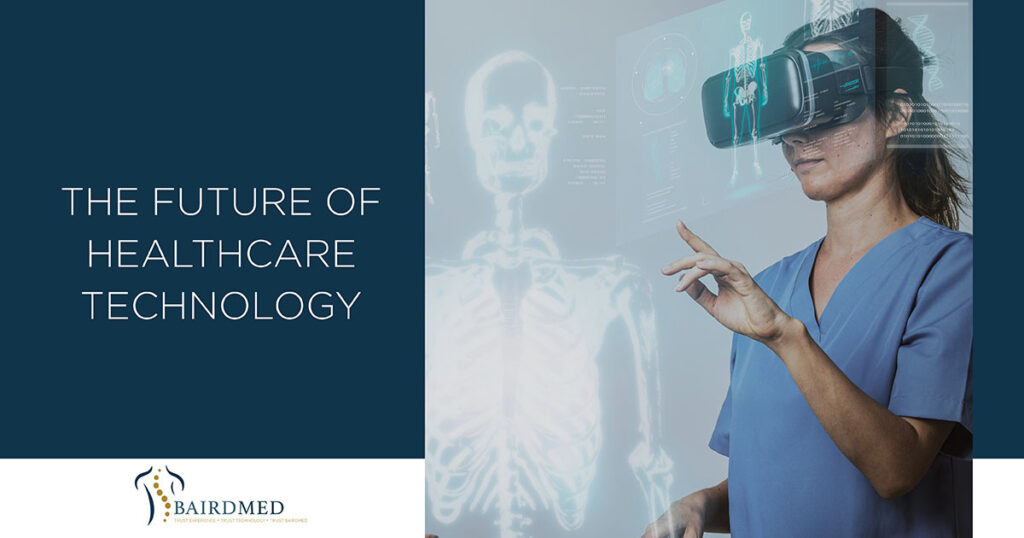
- Augmented Reality and Virtual Reality: These immersive technologies are being integrated into medical training and surgical planning. Surgeons can use virtual reality simulations to practise complex procedures, improving their skills and reducing the risk of errors during actual surgeries. Augmented reality can also assist surgeons by overlaying important information onto their field of view during operations.
- 3D Printing of Implants: 3D printing technology allows for the creation of customised implants tailored to individual patients. This innovation enhances implant fit and functionality, leading to improved patient satisfaction and better long-term outcomes.
- Regenerative medicines: Advancements in regenerative medicine, such as tissue engineering and stem cell therapies, offer new avenues for restoring damaged spinal tissues and improving long-term patient outcomes.
Conclusion
As technology continues to advance at an unprecedented rate, the future of medical technology in spinal surgery looks bright. The South Africa spinal surgery devices market is witnessing significant growth. It is driven by technological innovations and the rising demand for improved patient care. With ongoing developments in the field, we can expect to see remarkable progress in surgical techniques, treatment options, and patient recovery in the years to come.
Take part in driving this exciting industry. Take a look at the devices on offer at BAIRDMED. Please reach out to us for any possible inquiries.